As the temperatures drop and the days get shorter, your trees prepare for a long, cold season. While they might look sturdy, hidden issues can turn into dangerous problems once snow and ice arrive. Weak branches can snap under heavy loads, and diseases can fester unnoticed until spring. Spotting these signs early helps you keep your property safe and your landscape healthy.
This guide covers the top issues to inspect before the first freeze settles in. You will learn what warning signs to look for and how to address them quickly. Taking action now prevents costly damage later in the season. By the end, you will know exactly how to prep your yard for winter.
Common Warning Signs in Your Trees
Winter storms test the strength of every tree on your property. Identifying weaknesses now is the key to effective winter tree care. Look closely at your landscape for these five critical issues.
1. Dead or Hanging Branches
Branches that are already dead or partially detached are accidents waiting to happen. The added weight of snow or ice will likely cause them to fall, potentially damaging your home, car, or power lines. Removing these hazards is a top priority for snow damage prevention.
2. Cracks in the Trunk
Inspect the trunk for deep vertical cracks or splits. These structural weaknesses compromise the tree’s stability. When water enters these cracks and freezes, it expands, causing the wood to split further. This cycle can severely weaken the tree, making it susceptible to toppling during strong winter winds.
3. Signs of Disease or Decay
Fungi growing at the base of the trunk or on branches often indicate internal rot. Discolored bark or unusual spots on leaves are other red flags. A diseased tree is a weak tree. Addressing these health issues now with proper tree maintenance gives the tree a fighting chance to survive the harsh weather ahead.
4. Leaning Trees
While some trees grow naturally at an angle, a sudden or significant lean is a major concern. It often suggests root instability or soil heaving. If the ground freezes and thaws repeatedly, a leaning tree becomes even more unstable. A professional assessment is crucial here to decide if the tree can be saved or if it needs removal.
5. Overgrown Canopies
Dense canopies act like sails in the wind and catch excessive amounts of snow. This extra surface area increases the risk of limb failure. You might wonder, is it safe to trim trees in winter? The answer is yes; in fact, dormancy is often the best time for structural pruning to reduce this risk.
Why Professional Help Matters
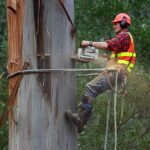
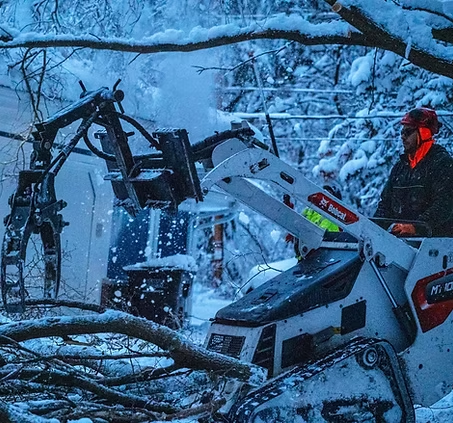
Dealing with large trees can be dangerous, especially when ladders and heavy equipment are involved. Hiring a professional tree removal company ensures the job gets done safely and correctly. Experts have the training to spot issues you might miss and the right tools to handle them without damaging your property.
Professionals also know how to protect trees from snow damage effectively. They can cable weak limbs, prune for better structure, and apply treatments to ward off pests. Many companies also offer winter tree removal deals, making it a cost-effective time to handle major projects. Relying on experts saves you time and keeps your yard safe all season long.
Trust Midwest Tree & Landscape for Expert Tree Care
Midwest Tree & Landscape is dedicated to keeping your property beautiful and safe throughout the year. We bring years of experience and specialized knowledge to every job, ensuring your trees receive the best possible care. Our team prioritizes your safety and satisfaction, offering reliable solutions tailored to the unique challenges of our local climate.
Don’t wait until a storm strikes to check your trees. Let us help you prepare your landscape for winter today.